


Emerging Technologies in Electric Vehicles

The landscape of electric vehicles (EVs) is evolving rapidly, propelled by innovative technologies that aim to improve performance, efficiency, sustainability, and user experience. As countries strive for reduced emissions and a cleaner environment, breakthroughs in design, software, and infrastructure are reshaping the entire ecosystem. This page explores some of the most exciting emerging technologies in electric vehicles, highlighting their potential to transform how we travel and interact with transportation.

Previous slide
Next slide

Next-Generation Electric Motors

Permanent Magnet-Free Motors

A noteworthy trend in motor development is the move towards permanent magnet-free motors, which reduce reliance on rare earth elements. These motors often use novel configurations of copper windings combined with advanced control algorithms to achieve high levels of efficiency. The absence of rare earth magnets makes them more sustainable and less prone to supply chain disruptions. Automakers see this as vital for the mass production of affordable electric vehicles, and current research is focused on closing the performance gap with traditional magnet-based systems.

Axial Flux Motors

Axial flux motors represent a significant departure from conventional radial designs. Their unique construction makes them slimmer, lighter, and capable of delivering more power per unit weight. This increased power density means that automakers can design vehicles that are both lighter and more spacious, contributing to better efficiency and improved range. By using advanced cooling techniques and specialized manufacturing processes, these motors are starting to appear in high-performance and luxury EVs, with their advantages likely to influence the broader market in the near future.

Integrated Drive Units

Integration has become a buzzword in EV propulsion technology. Integrated drive units combine the electric motor, inverter, transmission, and other powertrain components into a compact, unified assembly. This design streamlines manufacturing, reduces weight, and improves efficiency. Additionally, integrated software control enables sophisticated features such as torque vectoring and predictive energy management, contributing to smoother and safer driving experiences. As the industry moves toward simplification and cost reduction, integrated drive units are rapidly becoming the standard for next-generation electric vehicles.

Intelligent Energy Management

01

Predictive Energy Optimization

Modern electric vehicles now leverage predictive energy optimization, which uses real-time data and machine learning to adjust power distribution dynamically. By considering variables such as driving habits, elevation changes, and traffic conditions, these systems predict energy demands and optimize battery and motor use accordingly. This results in improved range and more consistent performance, especially in complex journeys with a mix of city and highway driving. Over-the-air updates continually improve these systems, ensuring that EVs become more efficient over time.
02

Regenerative Braking Evolution

Regenerative braking is no longer just about recapturing kinetic energy during deceleration. Recent developments enhance the sophistication and efficiency of these systems, enabling higher rates of energy recovery with a smoother, more natural feel for the driver. Smart regenerative braking can now adapt its intensity based on current traffic, weather conditions, and even user preferences. By converting more energy while preserving braking feel and safety, the latest regenerative systems are a key contributor to extending driving range and maximizing overall battery efficiency.
03

Vehicle-to-Grid Integration (V2G)

Vehicle-to-grid integration is a growing field that allows electric vehicles to act as mobile energy storage units, providing electricity back to the grid during peak demand or emergencies. This intelligent interaction supports grid stability and can reduce energy costs for EV owners. V2G-ready vehicles leverage advanced bi-directional charging technology and sophisticated communication protocols to ensure seamless integration with smart grids. As renewable energy sources fluctuate, V2G-capable EVs are poised to play an increasingly valuable role in balancing supply and demand within modern energy networks.

Sensor Fusion for Autonomy

Sensor fusion technologies combine input from LiDAR, radar, cameras, and ultrasonic sensors to give EVs a comprehensive and real-time awareness of their surroundings. This data convergence enables sophisticated autonomous driving functions, including lane-keeping, adaptive cruise control, and obstacle avoidance. Electric vehicles with integrated sensor fusion are better positioned to handle diverse road conditions and unpredictable environments, accelerating the deployment of higher levels of driving automation. As algorithms mature, sensor fusion continues to close the gap between partial autonomy and full self-driving capabilities.

Over-the-Air (OTA) Software Updates

Over-the-air software updates are transforming how EVs are maintained, customized, and enhanced. Gone are the days of having to visit a dealership for every minor fix or upgrade. With OTA capability, manufacturers can push new features, improved algorithms, and even performance enhancements directly to the vehicle, remotely and securely. This technology not only streamlines maintenance but also extends a vehicle’s useful life, keeping it updated long after the initial purchase. OTA updates also accelerate the adoption of new safety features and critical patches, ensuring that the EV fleet stays current and secure.

Advanced Telematics and Connectivity

Advanced telematics systems are emerging as a core component of future EVs, enabling a wide array of connected services. Features such as real-time vehicle diagnostics, predictive maintenance, and remote control of climate or charging are becoming standard. Through cloud connectivity, drivers gain seamless integration with their digital lives, navigation, and third-party applications, transforming the vehicle into an extension of the connected world. With 5G networks now rolling out globally, the bandwidth and latency improvements further enhance the potential of connected EVs to deliver safer, smarter, and more personalized experiences.

Lightweight and Sustainable Materials

Ultra-Lightweight Composites

Ultra-lightweight composite materials, such as carbon fiber-reinforced polymers, are revolutionizing EV design. These materials combine exceptional strength with minimal weight, allowing vehicles to travel further on a single charge while maintaining structural integrity and crash safety. Advanced composites can be tailored to specific areas of the vehicle for optimized performance, though cost and manufacturing scalability remain ongoing challenges. As processes improve, expect to see composite-intensive EVs becoming more accessible across various market segments, from luxury sports cars to mainstream family vehicles.

Charging Infrastructure and Wireless Innovations

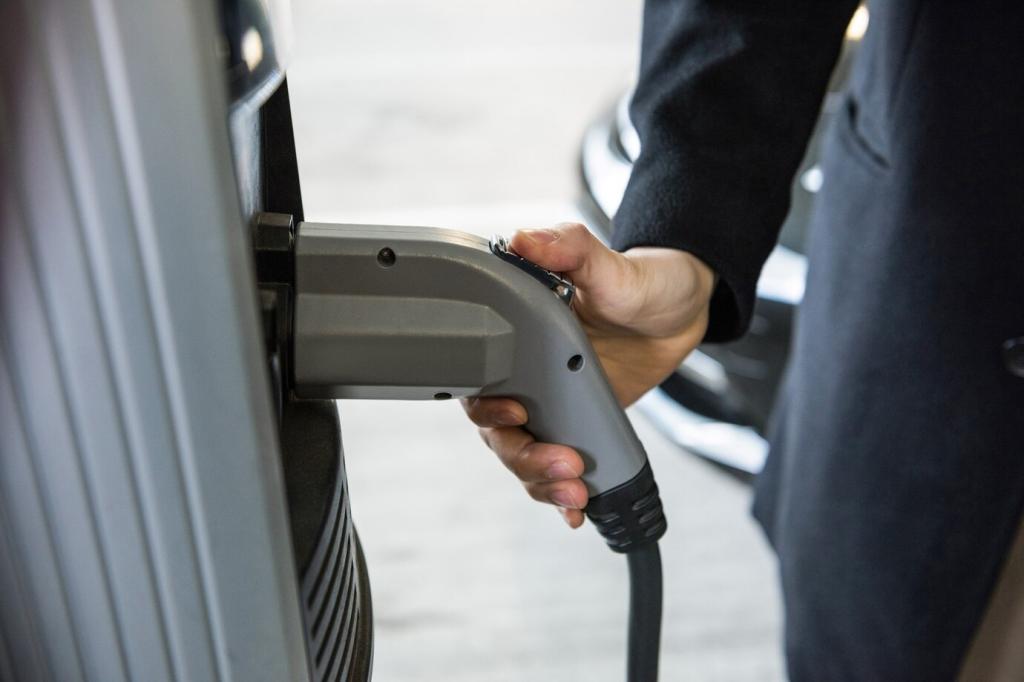
Ultra-fast charging hubs are a transformative development for the electric vehicle ecosystem. These facilities are equipped with high-capacity power supplies and can replenish an EV’s battery in minutes rather than hours. Located at strategic points along highways, in cities, or even at retail centers, ultra-fast hubs drastically reduce range anxiety and ensure EVs are viable for long-distance travel. They also often incorporate comfort amenities and digital payment systems, turning charging stops into a seamless and convenient part of the journey.

Advanced Liquid Cooling

Advanced liquid cooling solutions are now being widely deployed in EVs to keep batteries, motors, and power electronics within optimal temperature ranges. These systems use compact, efficient heat exchangers and pumps, allowing for precise thermal control even during high-demand situations such as fast charging or spirited driving. The result is not only improved safety but also longer battery lifespan and more reliable vehicle performance. Automakers are investing in modular liquid cooling platforms designed to adapt easily across multiple models and battery configurations.

Heat Pump Integration

Heat pumps are becoming a standard feature in modern EVs, replacing less efficient resistive heating elements for cabin climate control. By transferring heat from the environment—even at low outside temperatures—heat pumps significantly reduce energy consumption required for heating, which was traditionally a major drain on EV range. The latest systems intelligently coordinate with battery and motor cooling to maximize overall energy efficiency, striking a better balance between passenger comfort and driving range.

Intelligent Pre-Conditioning

Intelligent pre-conditioning technologies allow EV drivers to remotely prepare their vehicle’s battery and cabin for optimal performance before departure. Whether using mobile apps or in-vehicle scheduling, systems can warm or cool the battery pack and cabin interior while still connected to grid power, preserving precious battery energy for actual driving. This is particularly valuable in regions with extreme temperatures, as it safeguards driving range and enhances overall comfort. Additionally, intelligent pre-conditioning can synchronize with daily routines, charging plans, and ambient forecasts, marking a new era of user-centric energy management.